Hair Loss: 5-Causes, Symptoms, Treatment, and Prevention
Hair loss is an increasingly common issue that impacts individuals of all ages and genders. It is normal to lose a few hair strands daily, but if you experience excessive hair loss, it may indicate an underlying problem.
Today’s lifestyle, stress, poor diet, and health problems are some of the main reasons behind increasing cases of hair loss.
The positive aspect is that the correct care, nutrition, and medical advice can manage or treat most types of hair loss.
What are the types of hair loss?
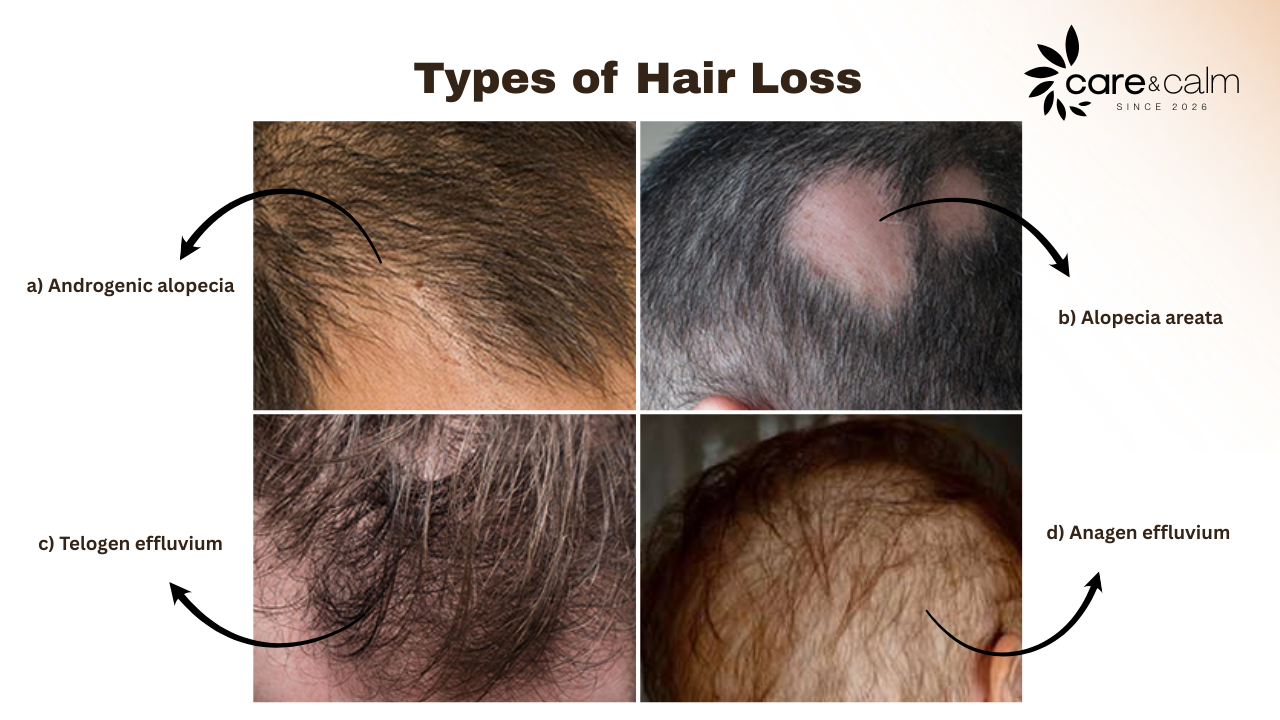
Some types of hair loss are permanent, while others are temporary. The most common types of
- Androgenic alopecia: This type of hereditary baldness can affect anyone (male pattern baldness or hair loss in women). This condition is largely hereditary, meaning it is passed down through generations. However, it affects men and women differently.
- Alopecia areata: Alopecia areata is an autoimmune disease that results in hair loss from the head and body. In this condition, your immune system mistakenly attacks healthy hair follicles, leading to sudden hair loss. As a result, you may notice small, round bald patches on your scalp—or in some cases, on your eyebrows.
- Telogen effluvium: This type of hair loss involves rapid shedding of hair in a short amount of time. It typically happens a few months after your body goes through something physically or emotionally stressful. It can also result from sudden hormonal changes.The loss of hair is temporary.
- Anagen effluvium: This very rapid hair loss occurs due to certain medical treatments, such as chemotherapy. This condition is primarily triggered by external factors such as:
- Chemotherapy or Radiation
- Certain Drugs or Harmful Chemicals
- Severe Infections
Symptoms and Causes
What are the causes of hair loss?
Hair loss has many possible causes. The most common include:
- Hormonal changes can disturb the hair growth cycle and cause shedding.
- Lack of nutrients like protein, iron, zinc, and vitamins weakens hair roots.
- Stress and poor lifestyle can trigger temporary hair fall.
- Heat styling, chemicals, and tight hairstyles damage hair and cause breakage.
- Genetics can lead to pattern hair loss in men and women.
- Scalp problems like dandruff or infections can weaken hair roots.
What are the symptoms of hair loss?
People experience hair loss in different ways, depending on the type of hair loss and what’s causing it. Common symptoms include:
- Receding hairline (typical of male pattern baldness).
- Thinning hair all over the head (typical of female pattern hair loss).
- Loss of small patches of hair on the scalp.
- Loss of hair on the scalp and body.
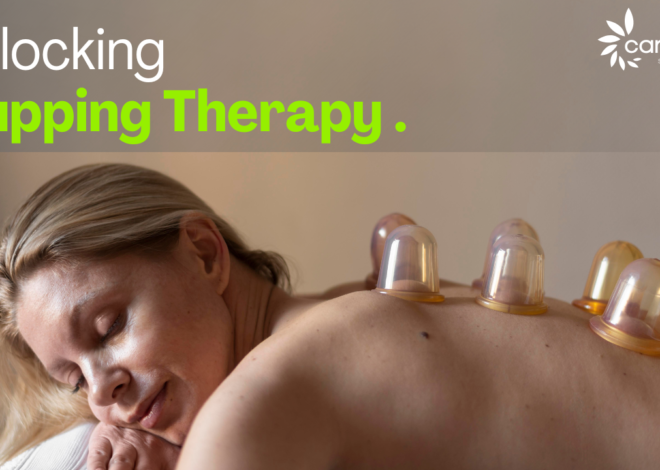
You can also read about Cupping Therapy. May you help to grow your hair.
How is hair loss treated?
If your hair results from medication, hormonal imbalances, thyroid disease or diet, your provider will address the cause. Correcting the underlying problem is often all that’s needed to help stop loss.
Most hair loss treatments are meant to help with androgenic alopecia (male and female pattern hair loss). These treatments include:
- Medication: Over-the-counter medications you apply to your scalp (such as minoxidil, or Rogaine®) are usually the first course of treatment for thinning hair. A prescription oral medication (finasteride, or Propecia®) is approved only for men with male pattern baldness.
- Hair transplant: During a hair transplant, your provider carefully removes strands of hair from an area of your scalp where the hair is thickest. The provider then transplants those strands, embedding them into your scalp where your hair is thinnest.
- Platelet-rich plasma (PRP): After drawing your blood, your provider separates out the plasma. They then inject this platelet-rich plasma into your scalp. PRP treatment can help slow hair loss and encourage new hair growth.
Best Diet for Healthy Hair
A healthy diet is essential for maintaining strong, shiny, and healthy hair. Since hair is primarily composed of a protein known as keratin, your body requires the appropriate nutrients daily to promote hair growth and avert hair loss.
The important food groups and their benefits for your hair are listed below.
1. Protein-Rich Foods
Hair is made of protein, so a lack of protein in the diet can lead to weak, thin, and brittle hair.
How protein helps:
- Strengthens hair strands
- Promotes faster hair growth
- Prevents hair breakage
Good protein sources:
- Eggs
- Lentils (dal)
- Paneer (cottage cheese)
- Chicken
- Fish
Including protein in every meal helps keep your hair roots strong.
2. Iron-Rich Foods
Iron helps carry oxygen to the hair roots through the blood. Low iron levels can lead to excessive hair fall and thinning.
How iron helps:
- Improves blood flow to the scalp
- Prevents hair shedding
- Supports healthy hair growth
Good iron sources:
- Spinach
- Beetroot
- Dates
- Jaggery (gur)
People with low iron levels often notice increased hair fall, so iron-rich foods are very important.
3. Healthy Fats
Healthy fats nourish the scalp and keep hair soft and shiny. They also help the body absorb important vitamins.
How healthy fats help:
- Moisturize the scalp
- Add shine to the hair
- Reduce dryness and breakage
Good sources of healthy fats:
- Nuts (almonds, walnuts)
- Seeds (flaxseeds, sunflower seeds, chia seeds)
- Avocados
4. Vitamins and Minerals
Vitamins and minerals support overall hair health and growth.
Important nutrients for hair:
- Vitamin A: Helps produce scalp oils.
- Vitamin C: Supports collagen production.
- Vitamin D: Helps in new hair follicle growth.
- Vitamin B complex: Strengthens hair roots.
- Zinc: Prevents hair thinning.
Best food sources:
- Fresh fruits
- Green leafy vegetables
- Whole grains
These foods provide a mix of nutrients that keep hair strong from the roots.
Prevention
How can I prevent hair loss?
Most baldness is caused by genetics (male-pattern baldness and female-pattern baldness). This type of hair loss is not preventable.
These tips may help you avoid preventable types of hair loss:
- Be gentle with your hair. Use a detangler and avoid tugging when brushing and combing, especially when your hair is wet. A wide-toothed comb might help prevent pulling out hair. Avoid harsh treatments such as hot rollers, curling irons, hot-oil treatments and permanents. Limit the tension on hair from styles that use rubber bands, barrettes and braids.
- Ask your doctor about medications and supplements you take that might cause hair loss.
- Protect your hair from sunlight and other sources of ultraviolet light.
- Stop smoking. Some studies show an association between smoking and baldness in men.
- If you’re being treated with chemotherapy, ask your doctor about a cooling cap. This cap can reduce your risk of losing hair during chemotherapy.
FAQs
1. How much hair fall is normal daily?
Losing 50–100 strands per day is normal.
2. Can lost hair grow back?
Yes, in many cases hair grows back once the cause is treated.
3. Which vitamin is best for hair growth?
Biotin, Vitamin D, Vitamin B12, and iron is important for hair health.
4. Does stress cause hair loss?
Yes, high stress can lead to temporary hair shedding.
5. Is oiling good for hair fall?
Yes, gentle oil massage can improve blood circulation and nourish the scalp.